
If there is one topic that ignites passionate debate, knowing laughs, and occasional secondhand embarrassment across reading communities, it is this: Dirty Talk in Romance.
Every avid dark romance reader has experienced this literary anticlimax: you are completely immersed in a scene of suffocating emotional tension, your eyes fly across the page, your heart races… and suddenly, the anti-hero drops a line so clumsily delivered or out of character that the entire mood deflates instantly.
“Look what a bad boy I am, babe.”
“Do as daddy says right now.”
The spell breaks. You snap back to reality with an awkward giggle under your blanket.
Why do some lines send genuine shivers down your spine while others feel thoroughly cringe-inducing? How does an author craft dialogue that sounds commanding, dangerous, and scorching hot without ever slipping into parody?
Here is a look behind the curtain at the hidden mechanics of high-voltage dialogue in Dark Romance.
1. The Linguistic Trap: Authenticity vs. Cliché
Formulas like “Good girl”, “Little bird”, or “You’re mine” have become iconic tropes across BookTok. But when dropped into prose without psychological groundwork, they sound robotic—like an actor reciting a script rather than a dangerous man losing his grip on self-control.
                  THE DIRTY TALK QUALITY GAP

     ROTE CLICHÉS / SHALLOW VULGARITY            MASTERCRAFTED DIALOGUE
     ┌──────────────────────────────────┐        ┌──────────────────────────────────┐
     │ Clunky repetition, generic words,│        │ Hushed authority, psychological  │
     │ flat anatomical terms with zero  │   VS   │ leverage, territorial devotion,  │
     │ emotional stakes                 │        │ breathless near-whispers         │
     │ (Result: Instant cringe)         │        │ (Result: Electric chills)        │
     └──────────────────────────────────┘        └──────────────────────────────────┘
For an anti-hero to feel magnetic, he doesn’t need to bark like an insecure bully: he speaks with the chilling calm of an apex predator who never needs to raise his voice to be obeyed.
2. Power Dynamics: Restraint and Psychological Weight
In high-stakes dark romance, formal distance and tension carry immense weight:
- The Armor of Professional Decorum: When Julian Wolfe addresses Elena Vance in Cruel Accords across the conference table, his polite, measured phrasing masks an absolute refusal to let her out of his reach.
- The Intoxicating Slip: When that pristine composure fractures behind closed doors, a single gravelly whisper (“Don’t look away from me”) hits with ten times the force of generic vulgarity.
- The Unmasking of Vulnerability: The true turning point arrives when his imperious command falters, revealing raw desperation: “Tell me you hate me. Say it again, Elena, and watch me prove you wrong.”
3. Dialogue Contrast: Cringe vs. Mastercrafted Tension
| Scenario | The Cringe Line | The Mastercrafted Line (Zaria Vane Style) |
|---|---|---|
| Claiming Authority | “You’re my property now, girl.” | “You can run to the ends of the earth. But every single beat of your heart already answers to my name.” |
| Demanding Eye Contact | “Look at me when I’m talking, babe.” | “Don’t lower your eyes. I want to watch the exact second you realize you’ve lost.” |
| Sensual Anticipation | “I’m gonna show you who’s boss.” | “Close your eyes. Feel my hands. And try telling me you despise me without trembling.” |
| Release & Surrender | “Come on, finish for me now.” | “Hold nothing back. Burn with me.” |
4. The Anatomy of an Iconic Line: 3 Golden Rules
                   THE MAGNETIC DIALOGUE TRIANGLE

                        [PSYCHOLOGICAL SUBTEXT]
                        (Don't state the obvious: let the reader's
                         imagination fill in the darkness)
                                     /\
                                    /  \
                                   /    \
                                  /      \
       [NATURAL AUTHORITY] ─────────────── [MASKED VULNERABILITY]
       (A low, steady voice that           (The hidden dread of an alpha
        commands without straining)         who knows she holds his soul)
1. Minimalism: Fewer Words, Bigger Impact
A true syndicate boss or high-powered titan is never frantic. He says very little, but every word carries weight. Three words whispered close (“Not in public”, “Say that again”) are far more electrifying than a rambling monologue.
2. Psychological Intent Over Pure Anatomy
What makes a heroine—and the reader—surrender isn’t graphic anatomical descriptions: it is the raw exposure of motive. When the anti-hero articulates his wild jealousy, his terror of failing her, or his inability to survive without her, the dialogue transcends erotica into pure soul-level devotion.
3. Unshakable Reverence for the Heroine
Elite dirty talk never degrades the heroine: it magnifies her. Even during intense confrontations, the anti-hero reveres her indomitable spirit.
5. Behind the Scenes with Zaria Vane
When drafting character dialogue, I test each exchange aloud to ensure cadence, rhythm, and tension:
- In Cruel Accords: Elena and Julian’s exchanges are structured like high-stakes speed chess. Polished Ivy-league decorum serves as a thin veil over primal possessiveness waiting to detonate.
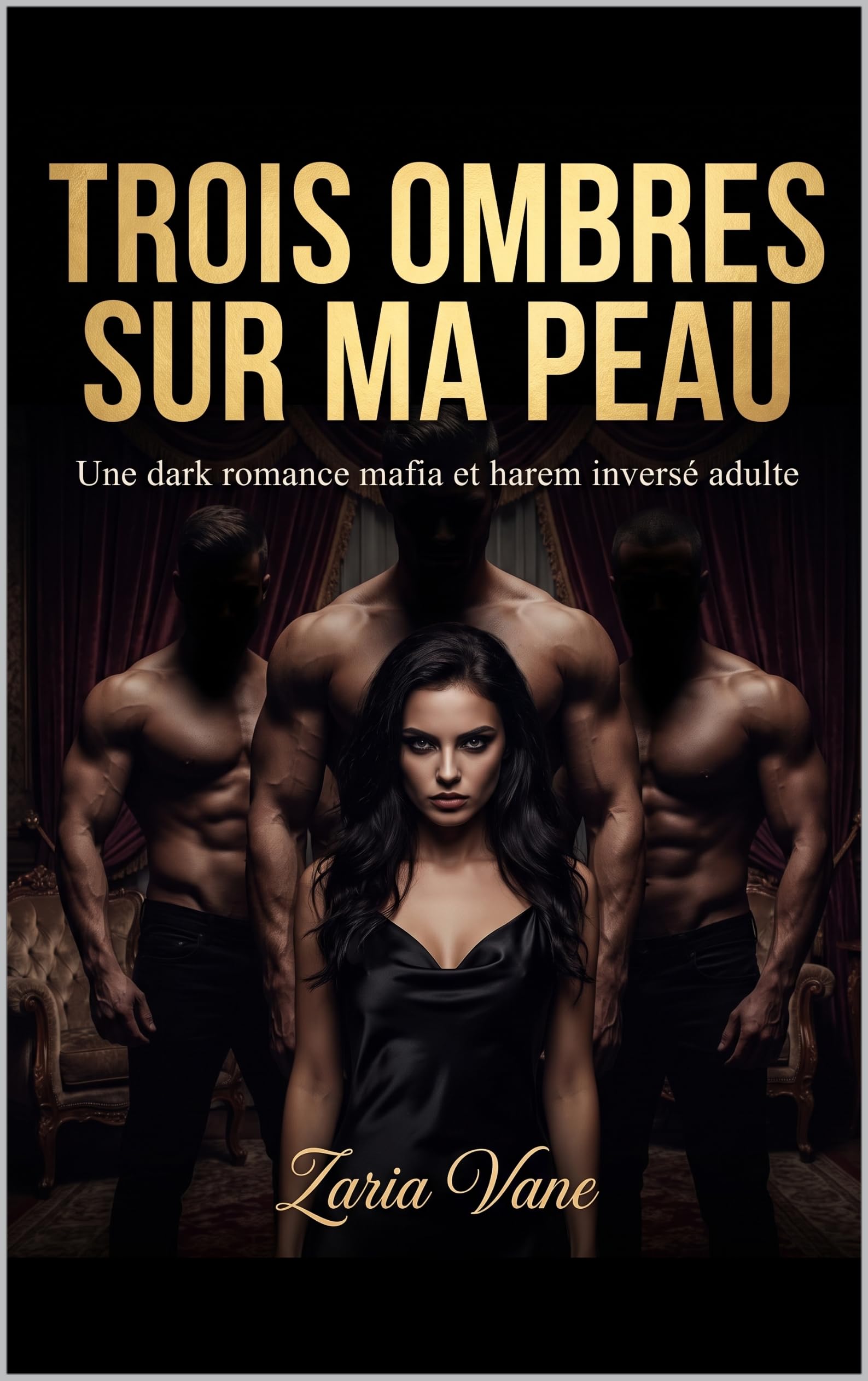
- In Three Shadows on My Skin: Dual and ensemble dialogue demands distinct vocal identities: Dante commands with cold patriarchal authority; Nero speaks through loaded, gravelly silences; Matteo deploys wicked, razor-sharp wit.
Conclusion: Words Are Daggers Wrapped in Velvet
Dark romance is not a genre where bodies collide haphazardly in the dark. It is a psychological duel where dialogue always sets the stage for surrender.
When words are chosen with surgical precision, dark romance dialogue becomes what it was always meant to be: the most dangerously addictive, sensual language in contemporary fiction.