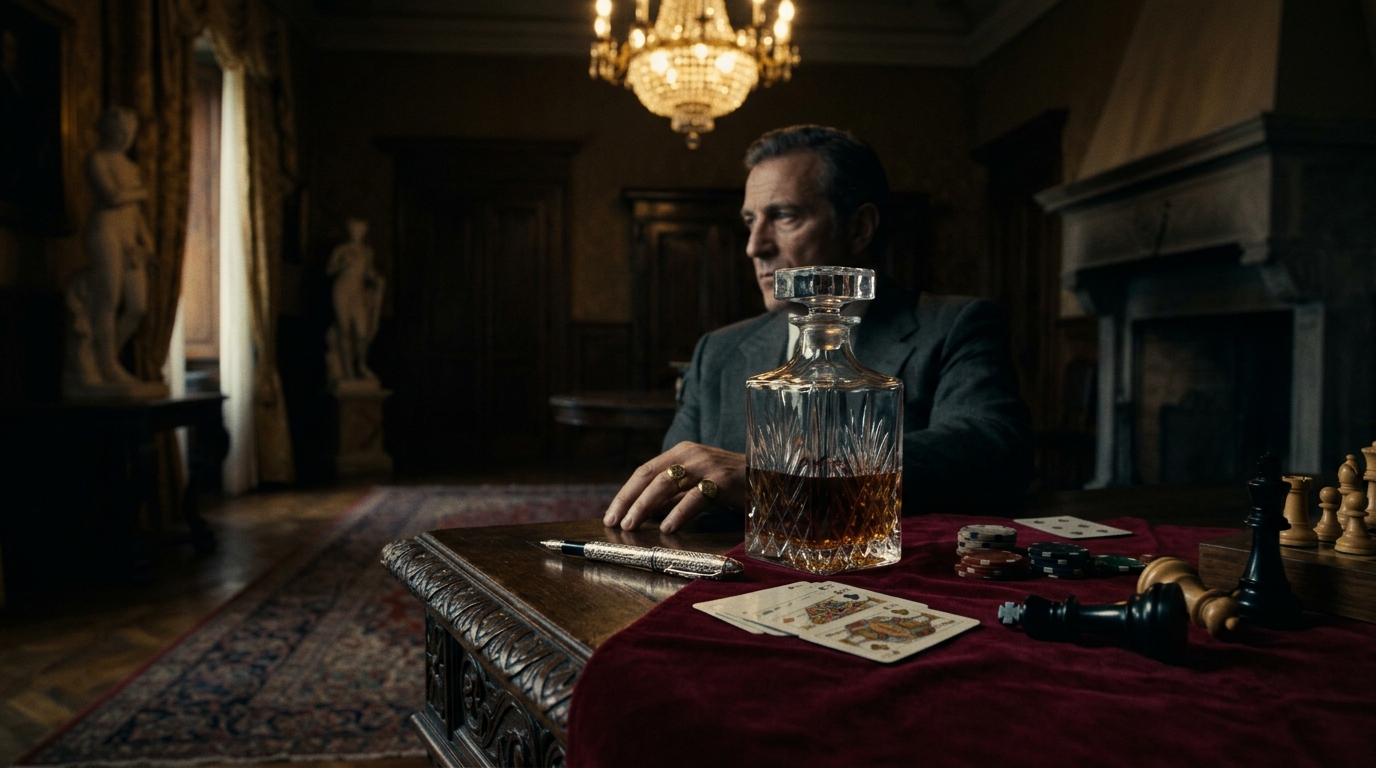
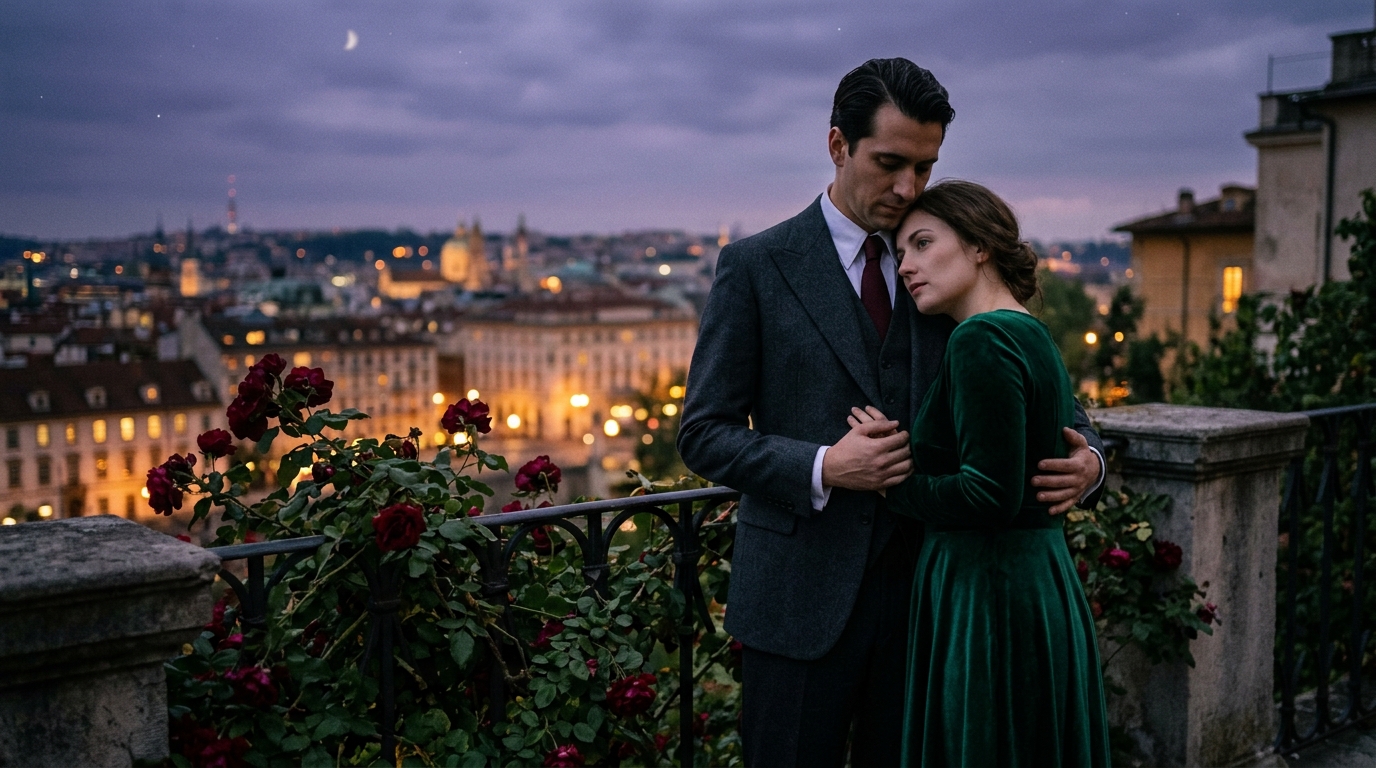
If there is one phrase guaranteed to send heart rates soaring on BookTok and generate millions of shares within seconds, it is that gravelly whisper delivered from the shadows of a VIP lounge:
“If your hand moves another millimeter toward her, I will break every bone in your fingers one by one, and make you swallow them.”
Welcome to the intoxicating realm of the “Touch Her and You Die” trope. Without question, it is the most adored, sought-after, and visceral relationship dynamic across contemporary Dark Romance.
Where does this hypnotic obsession come from? Why do readers fall head over heels for lethal men who would raze entire criminal syndicates and declare war over a single tear shed by the heroine? Why does behavior that would be an undeniable red flag in daily life become the pinnacle of romantic devotion in fiction?
As an author of dark romances where morally grey anti-heroes reign supreme, let us dissect the psychological mechanics behind this worldwide reading phenomenon.
1. Anatomy of the “Touch Her and Die” Trope
The “Touch Her and You Die” trope features a male protagonist—typically a mafia boss, elite assassin, cartel heir, or ruthless magnate—who builds an absolute, uncompromising fortress of protection around the woman he loves or claims.
The dramatic power of this setup lies in a stark emotional contrast:
                  THE PROTECTIVE MONSTER PARADOX

     TOWARD THE OUTSIDE WORLD                 TOWARD THE HEROINE
 ┌────────────────────────────────┐    ┌────────────────────────────────┐
 │ • Cold, cynical, ruthless      │    │ • Devoted, attentive, patient  │
 │ • Shows zero mercy or regret   │    │ • Lays his life at her feet    │
 │ • Executes threats instantly   │    │ • Acts as her human shield     │
 │ • Terrifies dangerous men      │    │ • Terrified of losing her      │
 └────────────────────────────────┘    └────────────────────────────────┘
Even in Enemies to Lovers storylines where the leads profess mutual hostility, this primal law stands: no one else is allowed to lay a finger on her, threaten her, or disrespect her. If an outside enemy dares look at her with ill intent, their fate is sealed without trial or negotiation.
2. The Secret Psychology: Why We Crave It
Understanding the global popularity of this trope requires looking at the fundamental psychological needs it satisfies:
A. The Fantasy of Invincible Safety
In the real world, women navigate a constant mental load of vigilance: checking rearview mirrors, clutching keys in parking garages, dealing with unwanted attention.
In a Dark Romance fantasy, the Touch Her and Die hero eliminates that vulnerability with a single glance. Beside him, the heroine has nothing left to fear. The most lethal man in the room has transformed himself into her personal sanctuary. It is the ultimate literary manifestation of unbreakable protection.
B. The Power of Selective Vulnerability (“A Monster to All, An Angel for Her”)
Few narrative arcs are as electrifying as being the sole exception to a ruthless man’s cruelty. Seeing a polite gentleman act kindly is pleasant; seeing a cold predator—who has never uttered a tender word in his life—drop to his knees in silence to tie her heels or wrap his cashmere overcoat around her shoulders hits with unmatched emotional intensity.
C. The Catharsis of Instant Justice
In real life, pursuing accountability for harassment or assault involves long, exhausting legal battles that often fall short. The trope offers immediate narrative catharsis. When an antagonist crosses the line, the hero bypasses paperwork and crushes the threat. Readers get to enjoy swift, unapologetic justice within a fictional playground.
3. 5 Iconic Scenes Every Dark Romance Reader Loves
Great dark romance authors bring this trope to life through signature moments instantly celebrated across BookTok:
┌─────────────────────────────────┬────────────────────────────────────────────────────────┐
│ Iconic Trope Moment             │ What Unfolds in the Scene                              │
├─────────────────────────────────┼────────────────────────────────────────────────────────┤
│ 1. The Heavy Suit Jacket        │ He strips off his jacket to cover her dress and mark   │
│ 2. The Broken Wrist at the Gala │ A rival touches her waist; bones snap in seconds       │
│ 3. The Human Shield             │ He absorbs a bullet or blade for her without flinching │
│ 4. The Silent Medical Care      │ Lethal hands tenderly tend to her scrapes              │
│ 5. "Who Did This To You?"       │ Cold, lethal fury upon discovering she was hurt        │
└─────────────────────────────────┴────────────────────────────────────────────────────────┘
1. The Heavy Suit Jacket
At a high-society event or out in the cold rain, the heroine shivers or draws lingering stares. Without a word, the hero strips off his bespoke tailored suit jacket, drapes it over her shoulders, and envelops her in his scent and presence. Everyone in the room instantly understands who she belongs with.
2. The Gala Confrontation
A rival attempts an arrogant touch or improper remark. In an instant, the hero closes the distance: with an iron grip, he subdues the intruder, quietly warning that laying a finger on her equals suicide.
3. The Human Shield
During an ambush or shootout, the anti-hero acts purely on instinct. He does not calculate his odds of survival: he shields her entirely with his own frame, taking whatever hits come to ensure she remains untouched.
4. Tending Her Wounds
The quietest contrast: after the gunfire ends, while his knuckles are still bruised, the hero refuses to let anyone else treat her minor cuts. With gentleness that borders on reverence, his deadly hands dress her wounds, terrified only of causing her pain.
5. “Who Did This To You?”
The gold standard of romantic vengeance. When he realizes someone dared harm her, all composure vanishes. The cold calm that replaces his expression signals that whoever crossed her has signed their own obituary.
4. Fiction vs. Reality: Distinguishing Fantasy from Real Life
Separating fiction from healthy real-world dynamics is crucial:
            REAL LIFE RED FLAGS VS. FICTIONAL ROMANTIC FANTASY

 REAL-WORLD ABUSE (RED FLAGS TO FLEE)
 • Isolates a partner from friends and family
 • Demeans self-esteem and undermines achievements
 • Threatens the partner herself with violence

 DARK ROMANCE "TOUCH HER AND DIE" HERO (SAFE FANTASY)
 • Destroys outside threats while placing her on a pedestal
 • Celebrates her resilience, boldness, and intellect
 • Kneels before her and respects her true emotional agency
The fictional dark romance hero does not seek to crush the heroine’s autonomy: he destroys the external obstacles standing in her path. Readers understand this boundary intuitively, savoring the high emotional stakes precisely because it remains safely within the pages of a book.
5. Frequently Asked Questions (FAQ)
What is the difference between “Touch Her and Die” and “Who Did This to You”?
The first is preemptive protection (cross her and you die); the second is the explosive aftermath once harm has already been done (he finds out and tracks down the culprit).
Can the heroine stand up for herself in these books?
Absolutely. The best dark romances feature intelligent, fierce heroines who fight tooth and nail. In Cruel Accords — Volume 1, Elena Vance never bows to Julian Wolfe’s intimidation, matching him blow for blow.
6. Explore More
Ready to experience high-tension romance and lethal protectors? Start reading Cruel Accords — Volume 1: Under His Rule on Kindle Unlimited, and join the Zaria Vane VIP Club for exclusive author insights and updates on future translated works.