It is exactly 5:00 PM.
You enter the bedroom and find it waiting on the dark sheets: a massive rectangular matte-black box, tied with a heavy silk satin ribbon.
Resting on the lid is a thick card, inscribed in sharp black ink with an unmistakable hand:
“8:00 PM. Be ready. And wear this.”
No pleasantries. No “please.” Not even a signature: he knows you know.
When you lift away the black tissue paper, you catch your breath. It is a designer gown worth six months of rent. Not a pastel ballgown, but an obsidian or deep crimson sheath with a daring thigh slit and a back plunging down to the base of your spine.
Your first impulse as his captive or bitter enemy is to tear it to shreds with scissors.
Your second impulse is to put it on.
Welcome to The Dress Scene: the most theatrical, luxurious, and sexually charged ritual in all of dark romance.
1. The Poisoned Gift: Silk Armor or Golden Leash?
In a conventional romantic comedy, a dress gift is just a sweet gesture for a candlelit dinner.
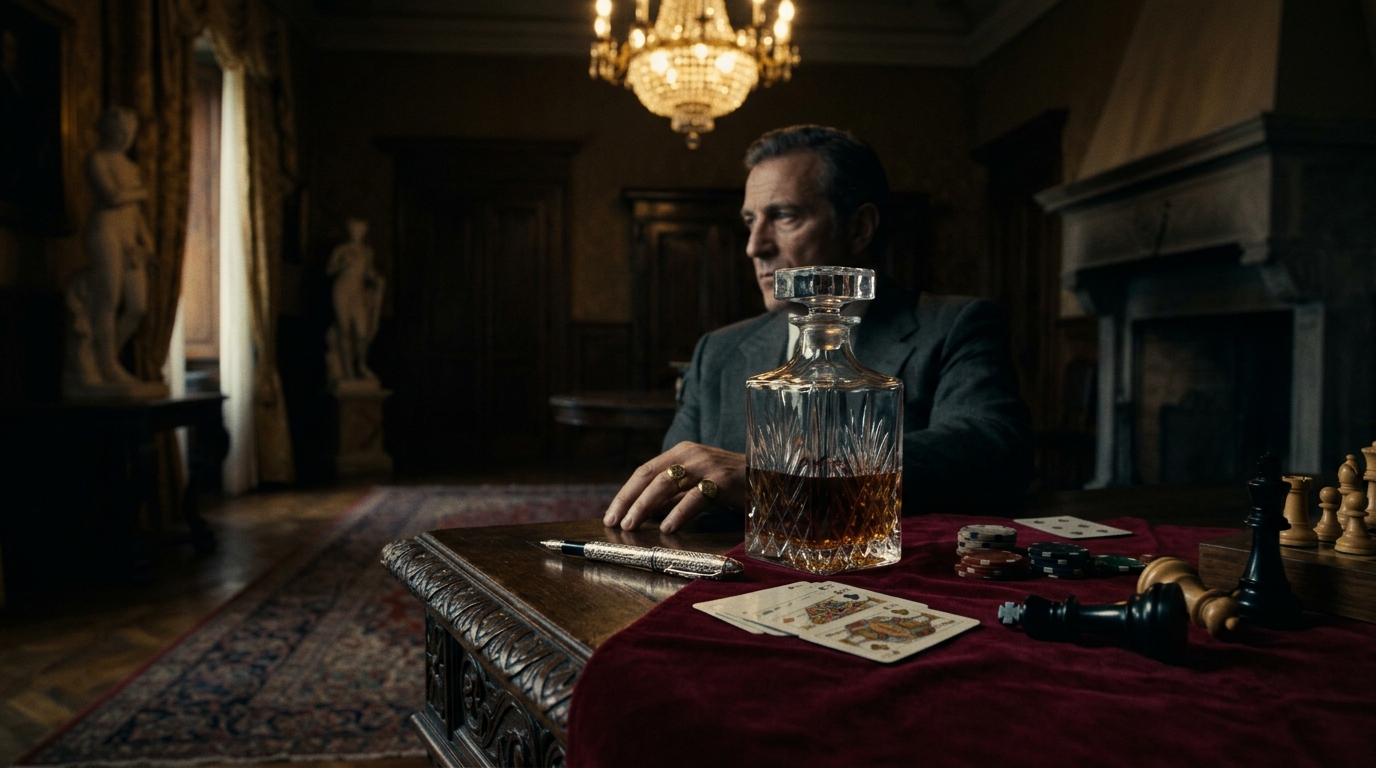
In Dark Romance, clothing is never just fabric: it is an artifact of war, status, and ownership.
When the anti-hero places that box on your bed, he executes three psychological maneuvers:
                  THE 3 FUNCTIONS OF THE DARK GOWN

    1. THE CLAIM                2. THE ARMOR               3. THE PROMISE
 ┌───────────────────────┐   ┌──────────────────────┐   ┌───────────────────────┐
 │ “You wear my colors   │   │ “Tonight you walk    │   │ “Look at the empire   │
 │ before my rivals.     │ + │ into the wolves' den:│ + │ I can lay at your     │
 │ You are mine in front │   │ be the deadliest     │   │ feet if you stop      │
 │ of the entire room.”  │   │ thing in the room.”  │   │ fighting the truth.”  │
 └───────────────────────┘   └──────────────────────┘   └───────────────────────┘
Why are these gowns never pastel pink or floral cotton?
Because the color palette follows strict symbolism:
- Obsidian Black: The heroine’s undeniable initiation into the shadow world.
- Blood Crimson: The promise of impending violence and forbidden passion.
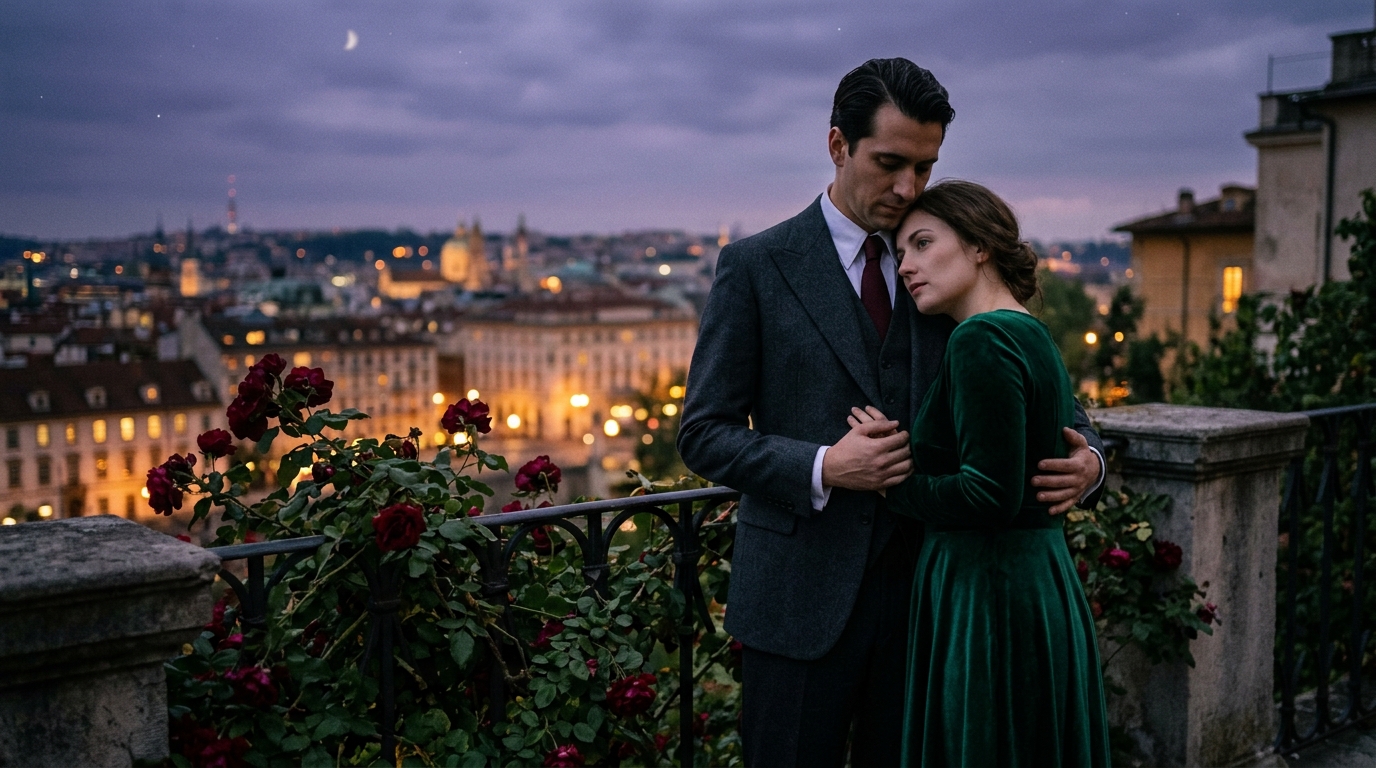
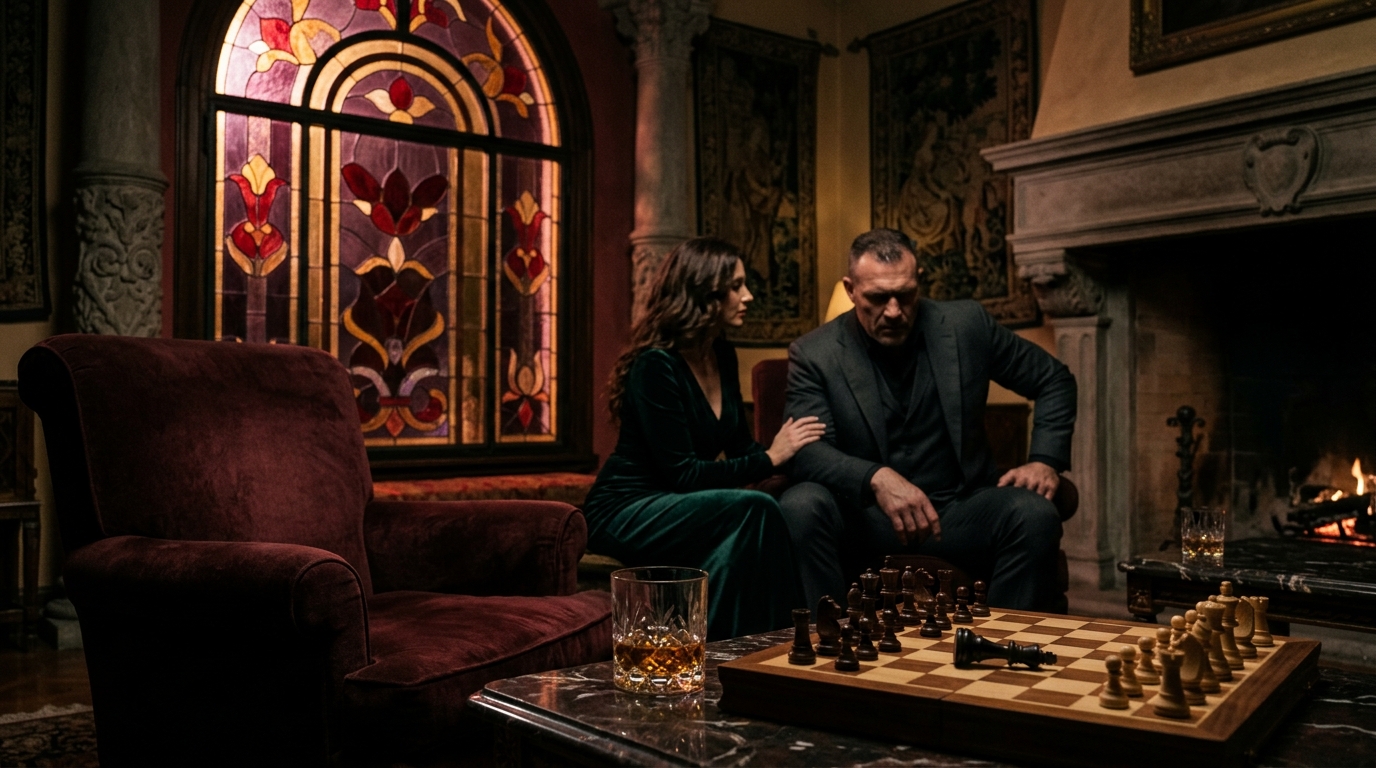
- Deep Emerald or Midnight Sapphire: Cold, aristocratic, venomous opulence.
The heroine wears it with quiet fury, not out of obedience, but because she knows that surrounded by sharks, custom silk is her impenetrable shield.
2. The Clasp of the Necklace Before the Mirror
The true sensual zenith of this trope occurs ten minutes before leaving, in the quiet intimacy of the dressing room.
The heroine stands before the mirror, smoothing the invisible zipper. The door opens without a sound.
The anti-hero appears in her reflection.
He too has transformed: tailored three-piece tuxedo fitted to perfection, platinum cufflinks, lethal elegance.
He approaches from behind until the heat of his chest warms the bare skin of her exposed back. From his pocket, he produces a velvet box:
- A heavy diamond collar or choker that circles her throat like an exquisite crown.
- He sweeps her hair aside with patient fingers, his breath cool against her nape.
- The clasp clicks shut with a metallic snap.
His hands settle onto her bare shoulders. His dark eyes meet hers in the glass:
“Look at you, sweetheart. You look like a queen about to watch her king dismantle an empire. If a single man stares at you longer than three seconds tonight… I will personally tear out his eyes.”
3. The Grand Entrance and the Hand on the Small of the Back
Then comes the ballroom: Manhattan high society, private auctions, or a summit of warring families.
1. The Descent Down the Grand Staircase
The only moment where the anti-hero momentarily loses his composure.
Standing at the base of the staircase, a glass of bourbon in hand, he watches her descend. His jaw tightens. His breath catches. For three heartbeats, the man who controls private armies forgets how to breathe.
2. The Territorial Mark
The moment her heel touches marble, his hand finds its place.
Not on her shoulder. Not around her wrist. At the base of her spine, directly on bare skin.
His palm is heavy, possessive, burning hot. It guides and claims. A silent warning to the entire room: “She breathes under my jurisdiction. Step closer and die.”
4. Blood on Silk: Aesthetic of the Inevitable Clash
No dark romance gala ends quietly over dessert.
By 11:30 PM, an arrogant rival makes the fatal mistake of stepping too close or springing an ambush. In seconds, society etiquette shatters:
- Bodyguards draw weapons.
- Crystal chandeliers collapse.
- The anti-hero dismantles the threat with terrifying, effortless brutality.
And the iconic visual is born: a spray of dark crimson across the hem of the haute-couture gown.
In the armored car speeding into the night, the heroine shivers from adrenaline. The anti-hero removes his tuxedo jacket and tenderly drapes it over her bare shoulders, his knuckles still bruised from combat.
The contract is sealed: luxury and diamonds were only the stage for their fierce devotion.
5. Experience Julian & Elena in Cruel Accords
In Cruel Accords — Volume 1: Under His Rule, high-society galas, private suites, and predatory possessiveness come alive as Julian Wolfe parades Elena Vance through elite Manhattan circles, testing their boundaries at every step.
Read Cruel Accords on Kindle Unlimited, and join the Zaria Vane VIP Club for exclusive author news!